Showing posts with label Uses. Show all posts

Tuesday, July 1, 2014

Uses of Herbal Plants as Alternative Medicine

Uses of Herbal Plants as Alternative Medicine


The use of organic healing is very much in need in our modern society because of the common use of drugs for our healing. Since most of the drugs manufactured cost high even in generic form, the availability is not always assured. We need practical remedies that can be found directly in our garden or backyard. Common practices of herbal healing are boiling of fruits and flowers, extraction of juices from leaves and poultices from barks and roots.
 
Below are  certain kinds of illness with corresponding herbal treatments.

•Home Remedy for Boils
•Natural Cure for Chronic Cystitis
•Natural Asthma Treatment
•Home Remedies for Athletes Feet
•Treatment for Bee Sting
•How to Stop a Wound from Bleeding
•How to Treat Burns
•Treatment for Chicken Pox
•Home Remedies for Constipation
•Home Remedy for Cough
•Home Remedies for Dandruff
•Home Remedies for Diarrhea
•Home Remedies for Eczema
•First Aid for Fainting
•Home Remedies For Fever
•Herbal Remedy for Flatulence
•First Aid Treatment for Fractures
•Home Remedies for Sinusitis
•Home Treatment of Hemorrhoids
•Herbal Treatments for Herpes
•Home Remedies for Hyper-acidity
•Home Remedies for Indigestion
•Home Remedy for Head Lice
•Home Remedy for Skin Rashes
•Home Remedy for Mosquito Bites
•Treatment For The Mumps
•Acne Home Remedies
•Herbal Treatment for Arthritis
•Home Treatment for Ringworm
•Scabies Home Treatment
•Dermatitis Treatment
•Home Remedies Dry Itchy Skin
•First Aid for Snake Bites
•How To Get Rid of a Sore Throat
•Treatment for Ankle Sprain | Wrist Sprain
•Home Remedy for Sunburn | Prickly Heat Treatment
•Stomatitis Treatment | Healing Sore Gum
•Home Remedies for a Toothache
•Home Remedies for Body Odor
•Home Remedies for Human Worm Infestation

Monday, June 9, 2014

Sambong Uses, Health Benefits, Side Effects


What is Sambong
 
Also knows as: Blumea balsamifera L. DC, Alibum,Lakad-bulan, Alimon, Lalakdan. Sambong (Tag.), Dalapot, Sob-sob, Gabuen. Subusub, Blumea camphor (Engl.), Kambibon, Ngai camphor (Engl.).

Sambong is used as herbal medicine and is a shrub that grows wild in the tropical climate countries such as Philippines, India, Africa and found even in eastern Himalayas. Sambong is widely used in the Philippines as herbal medicine. Sambong leaves are known for its ngai or Blumea camphor that is used as herbal medicine to treat kidney stones, wounds and cuts, rheumatism, anti-diarrhea, anti spasms, colds and coughs and hypertension. The Philippine Council for Health Research and Development (PCHRD) has develop the technology for a sambong herbal medicine tablet.

Sambong is an aromatic shrub, that grows from 1 to 4 meters in height. It is considered as a weed in some countries and is difficult to eradicate. Sambong has yellow flowering heads that is 6 mm long. Sambong leaves are green obloid that spreads in a pyramidial pattern. Sambong bears fruits that are ribbed and hairy on top. Sambong fruit has 1 seed.

Sambong, traditional herbal medicine - Health Benefits
 
Sambong roots and leaves are used as herbal treatment for fevers, sambong leaves and roots are pounded then dissolved in cold water. Applied with a soft cloth over the nape, forehead, underarms and other body parts to bring down the body temperature.
Sambong roots and leaves are also used as herbal medicine treatment for rheumatism. Sambong roots and leaves are pounded and applied as poultice on the affected body part. Sambong roots and leaves may also be boiled and are applied as warm compress onto affected area
Sambong is also used to treat headache, sambong leaves are pounded and applied as a poultice over the forehead.
Sambong tea are also used as herbal medicine for colds and coughs.
Sambong tea are also used for herbal treatment of diarrhea and stomach spasms.
Sambong juice are also used for treatment of cuts and wounds.

Sambong, herbal medicine preparation

 Sambong tea preparation:

gather fresh sambong leaves, cut in small pieces
wash with fresh water
boil 50 grams of sambong leaves to a liter of water
let it seep for 10 minutes
remove from heat
drink while warm 4 glasses a day for best results.

Sambong poultice
gather fresh leaves and roots
wash with fresh clean water
pound in a mortar
grounded leaves may be applied or a juice extract may be used

Sambong, Scientific Studies - Medical Uses 
 
Sambong as diuretic for hypertension and fluid retention. Sambong herbal tea is used as a diuretic for fluid retention and hypertension conditions. Sambong herbal tea incites the body to urinate thereby removing excess body fluids and sodium. Clinical studies have shown that high levels of sodium in the blood is a major cause of hypertension.

Sambong delay or averts renal failure . The Philippine National Kidney and Transplant Institute recommends taking sambong herbal medicine for patients with renal problems. Favorable results were noted that sambong may help to delay or avert dialysis or even kidney transplant.

Sambong for the Dissolution of Kidney Stones. The Philippine Department of Health (DOH) has been promoting Sambong herbal tea and tablets as a diuretic and for the dissolution of kidney stones. Sambong has been recently registered in the Bureau of Foods and Drugs as medicine.

Sambong as Anticancer: Sambong contains methanolic extract that has been found to have therapeutic activity against hepatocellular carcinoma cells. A study of sambong (balsamifera) extract inhibits the activity in rat and human hepatocellular carcinoma cells without cytotoxicity. This study suggest a possible therapeutic effect of sambong extracts (balsamifera) in the treatment of hepatoma cancer patients.

Sambong as Antibacterial and Antifungi: A Phytochemical study indicates that sambong leaves contains the chemicals icthyothereol acetate, cyptomeridiol, lutein and ?-carotene that has been found to have positive activity against microbes such as A niger, T mentagrophytes and C albicans. Results also showed activity against P aeruginosa, S aureus, B subtilis and E coli.

Sambong Side Effects, cautions and warnings
Sambong use is generally considered safe. 

Special Precautions & Warnings: 
 
Pregnancy and breast-feeding: Not enough is known about the use of sambong during pregnancy and breast-feeding. Stay on the safe side and avoid use.
Sambong can cause allergic reaction for people sensitive to ragweed plants and its relatives. Side effects may include itching and skin irritation.


Sunday, June 8, 2014

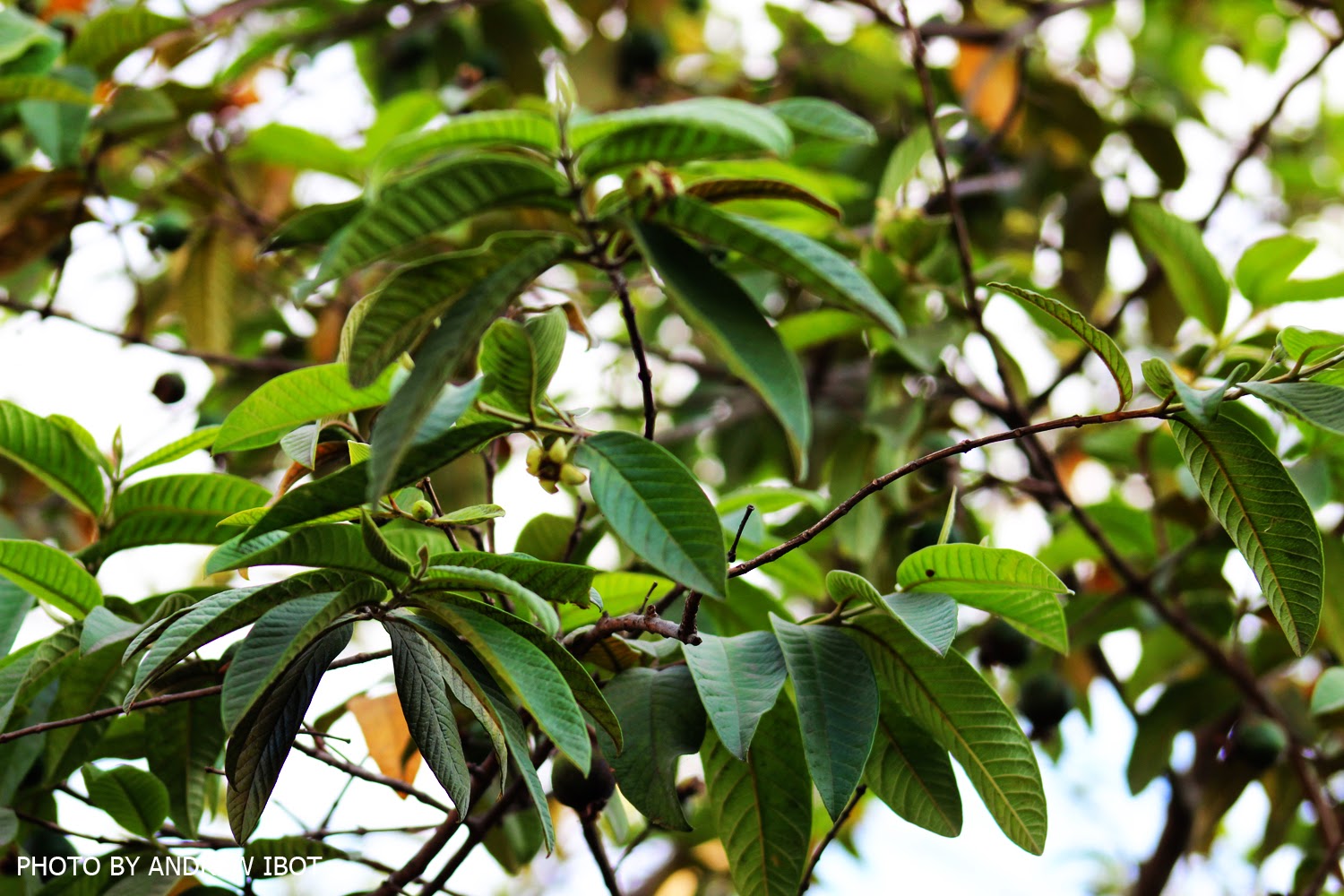
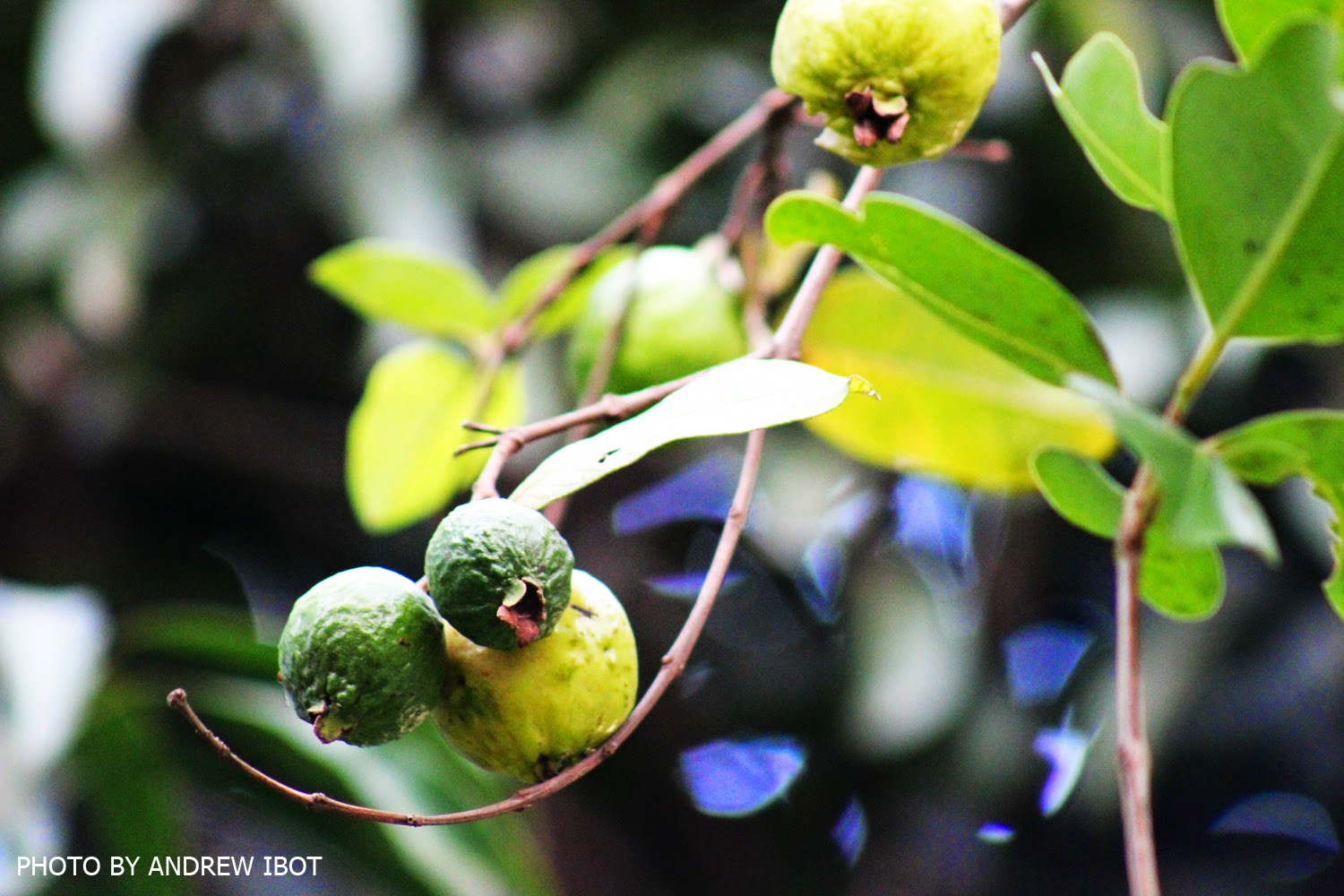
Bayabas (Psidium guajava L.)

Bayabas is a fruit found throughout the Philippines. While the larger varieties are cultivated, most of it grows wild. The leaves and bark are known to be astringent, vulnerary, and antidiarrhetic. The bark is used in the chronic diarrhea of children. The fruit is known to be anthelmintic, and is used for high blood pressure, poor circulation, diabetes and asthma. The fruit also has probably the highest concentration of vitamin C of any of the tropical fruits in the Philippines.

Bayabas (Guava) Uses, Health Benefits and Preparations

What is bayabas 


 Also knows as: Bayawas (Bik.), Biabas (Sul.), Gaiyabat (If.), Gaiyabit (If.) Geyabas (Bon.), Guayabas (Tag.), Guava (Engl.), Guyabas(Ilk., Tag.), Kalimbahin (Tag.), Psidium cujavus Linn. Bagabas (Ig.), Psidium aromaticum Blanco Bayabas (Ilk., Tag.), Psidium pyriferum Linn. Bayabo (Ibn.), Psidium pomiferum Linn. Bayauas (Bik., Pang.),Tayabas (Tag.) 

 Bayabas or guava is a fruit bearing shrub or small tree that grows in the tropical climate like Mexico, Peru and the Philippines. Bayabas is widely used in the Philippines as herbal medicine and is recognized by the Philippine Department of Health for its antiseptic property. Bayabas or guava fruit is known for being rich in vitamin C and vitamin A. Bayabas leaves and fruits contain eugenol, tannin, saponins, amydalin, phenolic acids, malic acid, ash, aldehydes, catequinic components and flavonoids.

Bayabas or guava is used in herbal medicine as antiseptic, anti-inflammatory, anti-spasmodic, antioxidant hepatoprotective, anti-allergy, antimicrobial, anti-plasmodial, anti-cough, antidiabetic, and antigenotoxic.

Bayabas or guava tree grows 3 to10 meters tall with greenish to red-brownish smooth bark. Bayabas produce a round globular bayabas fruit that starts as a flower. The bayabas fruit is green and turns yellowish-green and soft when ripe. Bayabas fruit has many small hard seeds contained in a yellowish pulp. Bayabas fruit is usually eaten while still green and hard.

Bayabas, herbal medicine for skin disease

How to use Bayabas as an antiseptic and astringent


Preparation:
•Gather fresh bayabas leaves and wash with water.
•Boil one cup of Bayabas leaves in three cups of water for 8 to 10 minutes.
•Strain and let cool.
•To use as mouthwash, gargle
•To use as wound disinfectant, wash affected areas 2 to 3 times a day.
•Use as vaginal wash especially after child birth.

Fresh Bayabas leaves can also be chewed for the treatment of toothache and gum swelling.

To hasten wound healing, fresh Bayabas leaf poultice may be applied to the wound.

If symptoms persist or aggravates, stop use and consult your doctor.

 Bayabas, herbal medicine for stomach problems

For diarrhea and control stomach parasites
•Gather fresh Bayabas leaves,
•Boil chopped pieces of about 4 to 6 tablespoon for every 18 ounces of water.
•Strain and let cool.
•Drink ¼ cup of decoction every 3-4 hours until symptoms improve.

Bayabas Side Effects

Eating too much of Bayabas fruit can cause constipation.

If there is no improvement to diarrhea symptoms in two days, consult your doctor.


Bayabas


Scientific name: Psidium guajava L.
English: Guava
Tagalog: Bayabas
Ilocano: Bayabas
Visayan: Bayabas


Saturday, June 7, 2014

Ampalaya (Momordica Charantia) Uses, Health Benefits, Side Effects

What is ampalaya

Scientific Name : Momordica Charantia

Common Names: Bitter Melon Fruit


Ampalaya, Bitter melon, papailla, melao de sao caetano, bittergourd, sorosi, a'jayib al maasi, assorossie, balsam apple, balsam pear, chin li chih, ejinrin gule khandan, fu-kua, karela,
k'u kua kurela, kor-kuey, ku gua, lai p'u t'ao, pava-aki, salsamino, sorci, sorossi, sorossie, sorossies, pare, peria laut, peria

ampalaya vineAmpalaya Bitter Melon (Momordica charantia) also known as Bitter Melon is a tropical and subtropical vine of the family Cucurbitaceae, widely grown in the Amazon, Carribean, South east Asia such as Philippines for its edible fruit. Ampalaya or bitter melon also known as bitter gourd as the name implies has a bitter taste due to the presence of momordicin, and is believed to be among the most bitter of all vegetables.

Ampalaya Bitter Melon is a climbing vine that grows up to 5m, with tendrils up to 20cm. long. Amplaya leaves are heart-shaped, 5-10 cm across, cut into 5-7 lobes. Each Ampalaya Bitter Melon plant bears separate yellow male and female flowers. Ampalaya bears fleshy green fruit, oblong shaped with pointed ends, ribbed and wrinkled, bursting when mature to release seeds. Ampalaya seeds are flat with ruminated margins.

Ampalaya, herbal medicine


Ampalaya (Bitter Melon) or it's scientific name, Momordica charantia has been a folkloric cure for generations but has now been proven to be an effective herbal medicine for many aliments.

The Philippine Department of Health has endorsed Ampalaya Bitter Melon (Momordica Charantia) as an alternative herbal medicine for liver problems. Research about Ampalaya has shown that Ampalaya increases the production of beta cells by the pancreas, thereby improving the body’s ability to produce insulin, that controls the blood sugar for diabetics.

Bitter melon seeds


Ampalaya leaves and fruits are excellent sources of Vitamin B, iron, calcium, and phosphorus. It is also rich in beta carotene.

Ampalaya is used as herbal treatment for diabetes, HIV, coughs, skin diseases, sterility in women, parasiticide, antipyretic and as purgative among others.

Folkloric Health Benefits of Ampalaya

Health benefits of juice extract from ampalaya fruit.


    Used to treat diabetes
    Used to treat stomach problems such as colitis, dysentery and intestinal parasites
    Used to treat spleen and liver problems
    Used to treat mild cough, heal wounds, and to treat rheumatism and gout.

Health benefits from ampalaya leaves.

    Powered leaves used as astringent to treat haemorrhoids and piles
   Sap or juice of leaves used to treat skin problems such as eczema, acne, psoriasis, leprosy and scabies
    Pounded leaves used to treat for burns and scald
    Infusion of leaves used to treat fever
    Infusion used to treat various stomach problems and to improve appetite
    Poultice of leaves used to treat headache
    Infusion of leaves used as mouthwash to treat tooth ache and other mouth problems

Health benefits from ampalaya seeds, roots and flowers.


    Decoction of seeds and roots used to treat urethral discharge
    Roots are used as an ingredient in aphrodisiac preparations
    Decoction of roots used to abort pregnancy
    Infusion from bitter melon flower is used to treat asthma

How is it taken?

Green fruit of ampalaya and young leaves are cooked, taken as food and is included in diet during treatment.

Juice extract from bitter melon fruit or leaves are taken spoonful for adults and teaspoonful for children. 3 times a day until symptoms improve.

Decoction prepared by boiling 50 grams of chopped fruits, seeds, leaves and/or roots of ampalaya to a liter of water, taken as ampalaya tea three times a day until symptoms improve.

(Source: http://www.medicalhealthguide.com/articles/ampalaya.htm)

Medical uses of ampalaya - Helath Benefits

Ampalaya for Diabetes. Clinical Studies for Ampalaya Bitter Melon demonstrated hypoglycemic properties (blood sugar lowering) or other actions of potential benefit against diabetes mellitus.

The hypoglycemic chemicals found in Ampalaya Bitter Melon include a mixture of steroidal saponins known as charantins, insulin-like peptides, and alkaloids. The hypoglycemic effect is more pronounced in the fruit of bitter melon where these chemicals are in greater abundance. The fruit has also shown the ability to enhance cells’ uptake of glucose, to promote insulin release, and potentiate the effect of insulin. In other in vivo studies, bitter melon fruit and/or seed has been shown to reduce total cholesterol and triglycerides in both the presence and absence of dietary cholesterol. In one study, elevated cholesterol and triglyceride levels in diabetic rats were returned to normal after 10 weeks of treatment.

Ampalaya for Hemorrhoids. Powdered leaves and root decoction of Ampalaya are applied to hemorrhoids as astringent.

Ampalaya for Stomach Problems. Ampalaya leaf juice is used to expel intestinal parasites, treat dysentery, diarrhea, and chronic colitis. Grounded seeds may also be used. Taken in a spoonfull 3x a day until ailment subsides.

Ampalaya for Cough. Ampalaya leaf juice is used for mild coughs for children. Administered in a teaspoon 3x a day.

Ampalaya for Burns, Scalds and Wounds. Pounded Ampalaya seeds or leaf are used to treat burns, scalds and wounds.

Ampalaya as Anti-Cancer, Two compounds extracted from ampalaya bitter melon, α-eleostearic acid (from ampalaya seeds) and dihydroxy-α-eleostearic acid (from the ampalayafruit) have been found to induce apoptosis of leukemia cells in vitro. Diets containing 0.01% ampalaya bitter melon oil (0.006% as α-eleostearic acid) were found to prevent azoxymethane-induced colon carcinogenesis in rats.

Other acclaimed uses are for the treatment of HIV, treatment of fever and headaches, treatment of rheumatism and gout, disease of the spleen and liver.
Amplaya Side Effects

In large dozes, pure Ampalaya juice can be a purgative and may cause pregnancy abortion.

Ampalaya Preparation and Availability
 
Amplaya or Bitter Melon for Cooking. Ampalaya fruits and leaves are usually available in Asian or Chinese markets. They can be bought fresh by the kilo, per piece or by bundles. Ampalaya are cooked mixed with meat. To lessen the bitterness of the ampalay, sliced ampalaya are washed or even boiled in water with salt.
 
Ampalaya preparation

Powdered Ampalaya or Bitter Melon,. Powdered leaves and root decoction of Ampalaya are applied to hemorrhoids as astringent. Wash the bitter melon eaves and the with fresh water. Pound to powder. You can use carrier oils to mix with the powder for application.

Ampalaya or Bitter Melon Juice. Ampalaya Bitter melon leaves and fruit (without the seeds) are pounded and juiced to extract concentrated juice. Ampalaya bitter melon juice is then added to other plesant tasting juice for drinking

Ampalaya or Bitter Melon Capsules, Bitter melon, as its name implies, is quite bitter, which is why many often prefer to take capsules and tablets.Ready-made bitter melon extracts are available in capsules and tablets in many Asian markets, herb shops, and in the supplement department of health food stores. 

(Source: http://www.medicalhealthguide.com/articles/ampalaya.htm)

Akapulko, Uses, Health Benefits, Side Effects, Warnings

Akapulko Scientific Name : Cassia alata


Also known as: bayabas-bayabasan,kapurko, katanda, katandang aso, pakagonkon, sonting (Tag.); andadasi, andadasi-a-dakdakel, andadasi-bugbugtong (Ilk.); adadisi (Ting.); ancharasi (Ig.); andalan (Sul.); bayabasin, bikas-bikas (Bik., Tag., Bis.,); kasitas (Bik., Bis.); sunting, palo china (Bis.); pakayomkom kastila (Pamp.); ringworm bush or shrub (Engl.), Acapulco (Engl)

Akapulko is used as herbal medicine and is a shrub that grows wild in the tropical climate of Philippines. Akapulko is widely used in the Philippines as herbal medicine. The akapulko leaves contain chrysophanic acid, a fungicide that is used to treat fungal infections, like ringworms, scabies and eczema.. Akapulko leaves are also known to be sudorific, diuretic and purgative, usedto treat intestinal problems including intestinal parasites. Akapulko is also used as herbal medicine to treat bronchitis and asthma. Because of Akapulko’s anti-fungal properties, it is a common ingredient in soaps, shampoos, and lotions in the Philippines. The Philippine Council for Health Research and Development (PCHRD) has helped develop the technology for a akapulko herbal medicine lotion.

Akapulko is an erect, shrubby legume with dark green compound leaves. Akapulko leaves have orange rachis that has 16-28 leaflets. Akapulko produces an axis of golden yellow flowers that has 4-winged pods containing 50-60 flattened, triangular seeds. Akapulko flowers are enclosed by yellow-orange bracts that are later shed in time.

Akapulko, herbal medicine for skin disease


Akapulko is used as herbal medicine for the following skin diseases

    Tinea infections,
    insect bites,
    ringworms,
    eczema,
    scabies and
    itchiness.

Preparation and application of Akapulko herbal medicine

Pound Akapulko leaves, squeeze the juice and apply topically on affected area twice a day until cured. There are commercially available Akapulko herbal medicine lotions in the Philippine market for skin diseases treatment. If symptoms persist or irritation occurs, stop the use and consult your doctor.

Akapulko, herbal medicine for stomach problems
Akapulko is used as herbal medicine for the following stomach problems

    Laxative to expel intestinal parasites,
    diuretic
    purgative.
    Strong decoction of leaves are also known to cause abortion in pregnant women.

Preparation and application of Akapulko herbal medicine for treatment of stomach problems

Pound or cut a cup of Akapulko seeds, Akapulko leaves and flowers into manageable sizes then let it seep in boiling water for 10 to 15 minutes to creat an Akapulko herbal tea. Let it cool and drink a cup three times a day. The potency of Akapulko herbal tea is good to last for one day. Make new Akapulko herbal tea as needed. When symptoms persist or irritation occurs stop the use and consult your doctor.


Akapulko, herbal medicine for lung and mouth problems


Akapulko is used as herbal medicine for the following lung and mouth problems:

    Expectorant for bronchitis and dyspnoea,
    mouthwash in stomatitis,
    alleviation of asthma symptoms

Preparation and application of Akapulko herbal medicine for lung and mouth problems


As expectorant and for the alleviation of asthma attacks. Drink a cup of Akapulko herbal medicine tea (see above for the preparation) three times a day until symptoms improved.

For the treatment of mouth infections such as stomatitis, gargle the Akapulko herbal tea three times a day until symptoms improve.

If symptoms persist and irritation occurs, stop the use and consult your doctor.


Preparation of akapulko herbal ointment


To prepare an Akapulko herbal ointment prepare and follow these instructions.

    Wash fresh leaves of Akapulko thoroughly and cut in small pieces.
    Add one glass of cooking oil or coconut oil to one glass of cut fresh leaves.
    Fry until crispy.
    Remove from the heat; strain.
    Cut 2 white candles (Esperma No. 5) into small pieces
    In a cooking pot, pour the strained oil together with the candle pieces; stir until the candle has melted.
    Pour the mixture into a clean container; cover when cool.
    Apply the Akapulko herbal ointment to affected areas twice daily.

    (Source: http://www.medicalhealthguide.com/articles/akapulko1.htm)